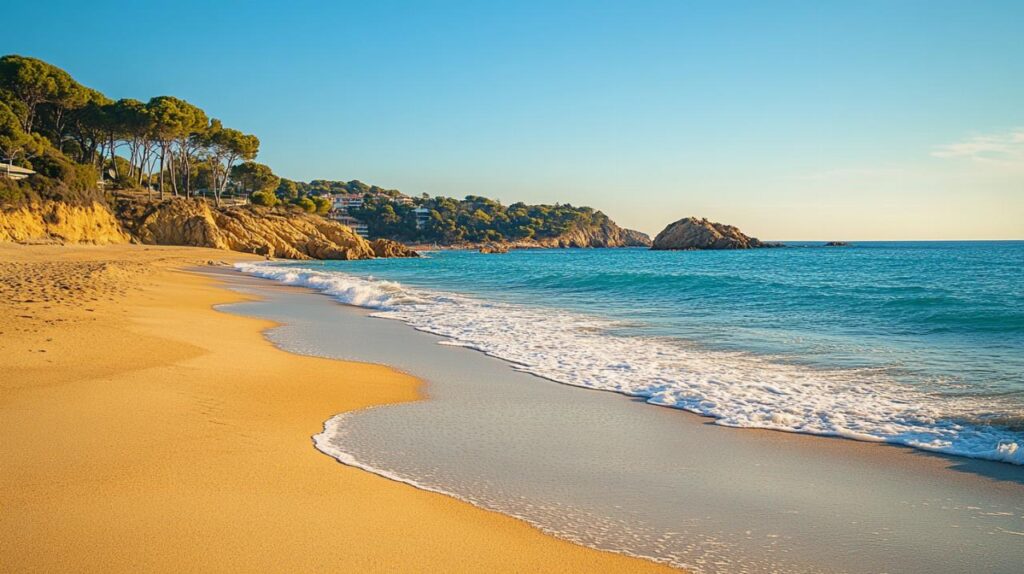
Spain has long been celebrated for its welcoming attitude towards naturism, offering hundreds of stunning locations where visitors can embrace a clothing-optional lifestyle amid breathtaking Mediterranean scenery. The Costa Brava, stretching along Catalonia's rugged coastline, stands out as one of Europe's premier destinations for families seeking an authentic naturist experience. With February 2025 approaching, this shoulder season presents a unique opportunity to discover secluded coves, quiet beaches, and family-friendly naturist resorts without the summer crowds, all while enjoying surprisingly mild winter weather and affordable accommodation rates.
Discovering costa brava's naturist beaches: a family-friendly introduction to nude tourism
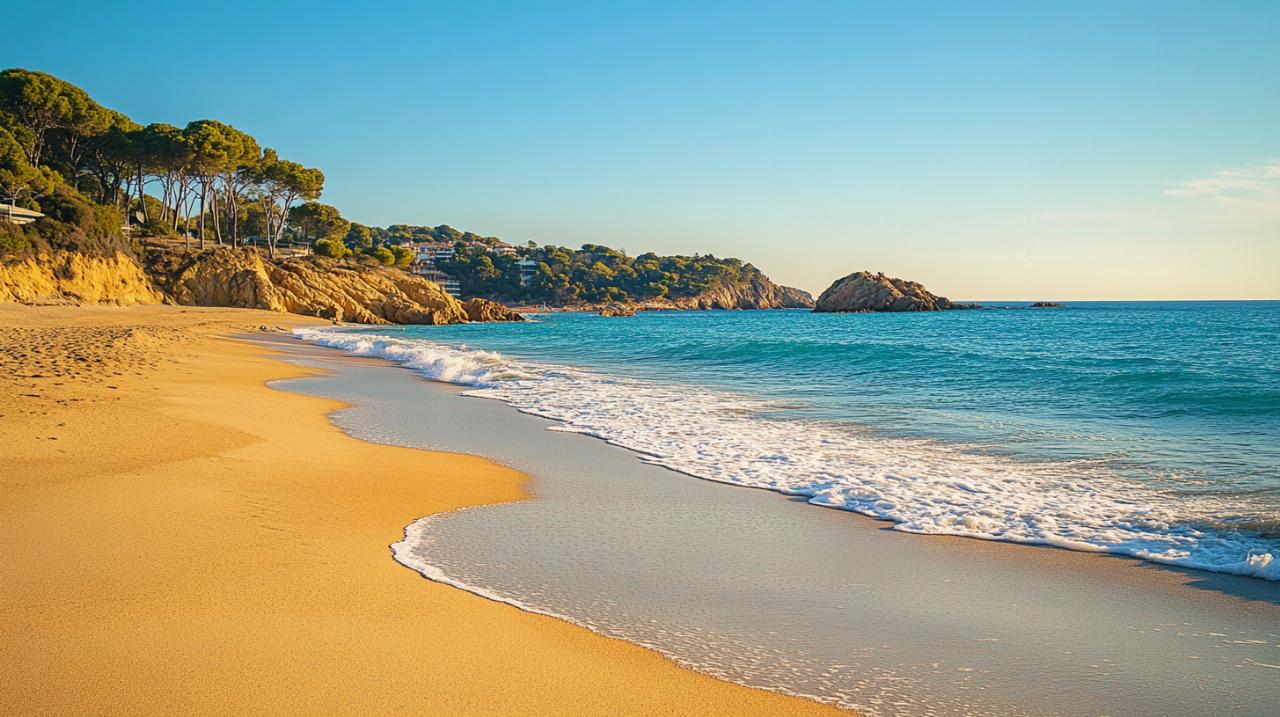
The Costa Brava region boasts over forty beaches where naturism is either officially permitted or widely accepted, making it one of Spain's most diverse coastal areas for clothing-optional holidays. Unlike many destinations where naturist beaches remain hidden or difficult to access, this Catalonian coastline offers remarkable variety, from easily accessible sandy stretches to remote rocky coves that reward adventurous visitors with absolute privacy. Families new to naturism will find the Costa Brava particularly welcoming, as Spanish beach culture generally embraces body positivity and respects personal choice regarding clothing freedom.
The best naturist beaches along costa brava for first-time visitors
Among the most celebrated locations, Sa Boadella cove near Lloret de Mar provides an ideal introduction for families venturing into naturism for the first time. This natural space extends approximately 250 metres along the coastline, featuring coarse golden sand and essential facilities including lifeguards, showers, and a beach bar serving refreshments throughout the day. The beach remains easily accessible via the GI-682 road, eliminating the lengthy walks that characterize some more remote locations. Parents appreciate the respectful atmosphere here, where nudism is allowed and fully normalized without any sense of exhibitionism or inappropriate behaviour.
Further north, Illa Roja beach in Begur has earned international recognition for its distinctive reddish sand formations and stunning Mediterranean backdrop. Measuring 180 metres in length and 20 metres in width, this beach welcomes naturists alongside textile beachgoers in harmonious coexistence. The scenic Camino de Ronda coastal path provides access to Illa Roja, offering families a pleasant walk through pine forests before arriving at the shore. The beach's sheltered location protects swimmers from strong winds, while the rocky seabed creates excellent conditions for snorkelling and observing marine life.
Cala Estreta in Palamós presents another family-friendly option, surrounded by dramatic cliffs and lush greenery that create a sense of seclusion despite the beach's accessibility. This location operates as a mixed beach where clothing-optional and clothed visitors share the space respectfully, allowing families to gradually adapt to the naturist experience at their own pace. The coastal path leading to Cala Estreta winds through natural Mediterranean vegetation, transforming the journey into an educational nature walk for children. Cap de Planes, also in Palamós, stretches 175 metres along the coastline and features a rocky seabed ideal for diving enthusiasts, with clear views extending to the Formigues Islands approximately one kilometre offshore.
Understanding Spanish Nudism Culture and Etiquette for Families
Spain's approach to naturism reflects a broader Mediterranean philosophy that views the human body as natural rather than inherently sexual or inappropriate. With over 400 nudist beaches scattered across the country, Spanish law generally permits nudism on any beach unless specifically prohibited by local regulations, though dedicated naturist beaches provide the most comfortable environment for those new to the lifestyle. Understanding basic etiquette helps families integrate smoothly into naturist beach communities and ensures everyone enjoys a positive experience.
Privacy respect forms the cornerstone of naturist culture throughout Spain. Photography without explicit consent remains strictly forbidden on naturist beaches, and staring or making others uncomfortable violates community norms. Families should explain to children that naturist beaches celebrate body acceptance across all ages, sizes, and appearances, reinforcing messages about diversity and respect. Sitting on towels rather than directly on sand or benches is customary for hygiene reasons, and most naturist beaches expect visitors to carry appropriate sun protection given the increased exposure of typically covered skin.
The naturist community along the Costa Brava welcomes families enthusiastically, recognizing that children raised with healthy attitudes toward the human body often develop stronger self-esteem and body confidence. Many beaches in the Baix Empordà and La Selva regions have established reputations as particularly family-oriented, with fellow naturists actively maintaining safe, respectful environments. Parents often find that children adapt to naturist settings more easily than adults, quickly accepting clothing-optional beaches as simply another variation of coastal recreation.
Why February Offers Unique Advantages for Naturist Holidays on Spain's Mediterranean Coast
While summer remains the traditional peak season for beach holidays throughout the Mediterranean, February presents compelling advantages for families considering their first naturist experience or seasoned naturists seeking tranquillity. The Costa Brava's climate during early spring differs dramatically from northern European weather, offering a refreshing escape from winter's harshness without the intense heat and crowds that characterize July and August. This shoulder season has gained recognition among experienced naturist travellers who appreciate the unique combination of pleasant conditions and authentic local atmosphere.
Quieter beaches and affordable accommodation during off-peak season
February transforms even the most popular Costa Brava beaches into peaceful sanctuaries where families can enjoy near-private experiences impossible during summer months. Sa Boadella cove, which may host hundreds of visitors on a July afternoon, often sees only a handful of naturists on a February day, allowing families unprecedented space and freedom. The absence of crowds proves particularly valuable for children and adults still developing comfort with social nudity, as the reduced beach occupancy creates a less intimidating environment for shedding clothing for the first time.
Accommodation costs drop significantly during February, with naturist resorts, camping facilities, and seaside hotels offering rates often fifty percent lower than peak season prices. Costa Natura, the renowned naturist resort established in 1979 near Estepona in Andalucia, maintains operations throughout the year and provides exceptional value during winter months. Though technically south of the Costa Brava proper, Costa Natura's position directly on Spain's first dedicated naturist beach makes it worth considering for families planning extended stays. The resort features a 22-metre solar-heated swimming pool alongside a children's pool, ensuring comfortable swimming regardless of February's cooler sea temperatures.
Booking facilities at naturist camping sites like Cala Llevado become far more accessible during the off-peak season, with families securing prime pitches or accommodation without the months-in-advance reservations required for summer visits. The booking centre operates from 9 a.m. to 6 p.m. Monday to Friday, processing reservations for the season that typically runs from late March through early November. February visits allow families to scout locations and plan future trips, identifying favourite beaches and resorts for potential summer returns.
Mild Winter Climate Perfect for Gentle Sun Exposure and Outdoor Activities
The Mediterranean climate along the Costa Brava remains remarkably temperate throughout February, with daytime temperatures frequently reaching 15 to 18 degrees Celsius and occasional warm spells pushing into the low twenties. While swimming in the sea requires some fortitude during winter months, heated pools at naturist resorts provide comfortable alternatives, and the milder temperatures actually benefit families introducing children to naturism by reducing the intensity of sun exposure. Fair-skinned visitors particularly appreciate February's gentler sunshine, which allows longer outdoor periods without the severe sunburn risk that accompanies summer's fierce rays.
Coastal walks and hiking trails become truly enjoyable during February, when summer's oppressive heat no longer limits outdoor activities to early morning and late afternoon hours. The GR11 hiking trail and the famous Camino de Ronda coastal path wind along the Costa Brava's spectacular rocky coastline, connecting secluded naturist coves and offering stunning views across the Mediterranean toward distant horizons. Families can combine naturist beach visits with genuine exploration, reaching isolated locations like Cala Travellera, accessible only via dedicated hiking routes, without the exhaustion that summer heat imposes.
The reduced UV intensity during February protects first-time naturists from the overexposure that sometimes mars initial experiences with social nudity. Dermatologists frequently recommend gradual sun exposure when introducing typically covered skin to direct sunlight, making February's moderate conditions ideal for building tolerance before attempting full-day naturist beach visits during peak summer. Parents can allow children extended outdoor time without constant reapplication of sunscreen, though basic protection remains essential for exposed areas unaccustomed to any sun exposure.
Planning Your Family Naturist Holiday: Practical Tips for Costa Brava in February
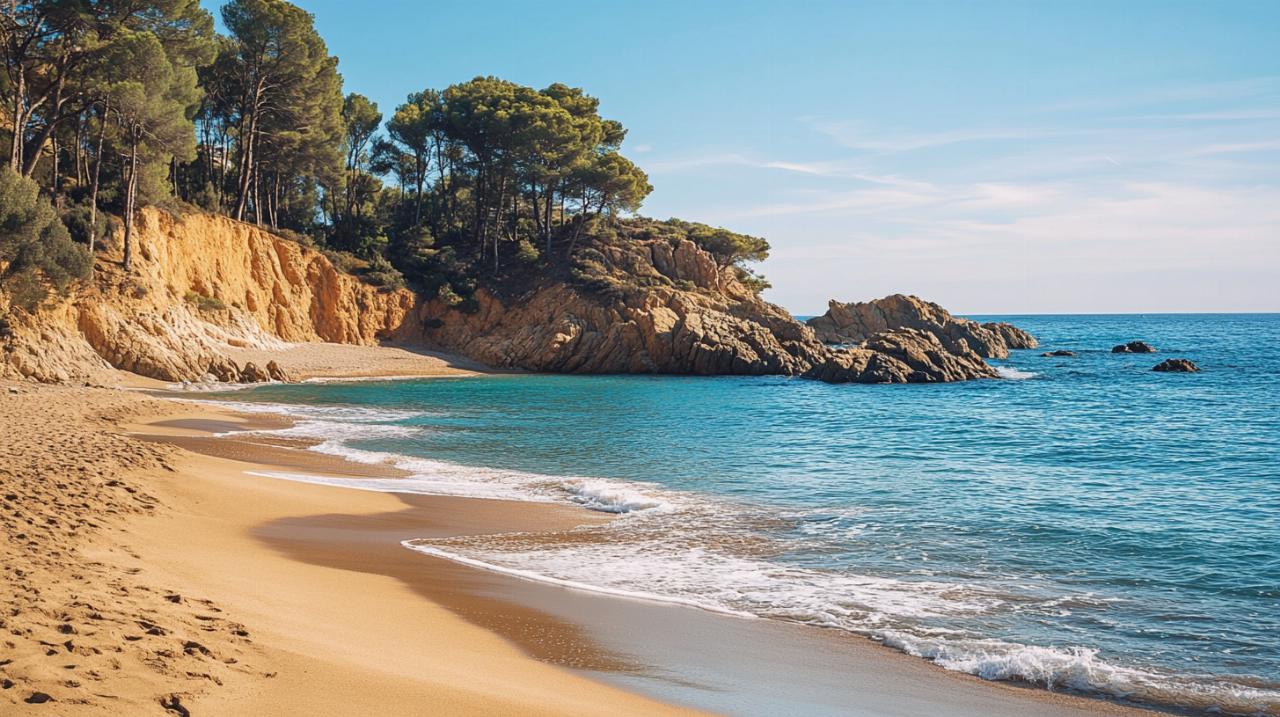
Successful naturist holidays require slightly more planning than conventional beach breaks, particularly when travelling during shoulder seasons to regions with variable weather. Families should approach Costa Brava naturist holidays with realistic expectations about February conditions while preparing for the unique opportunities this quieter season presents. Proper preparation ensures comfortable experiences and helps avoid common pitfalls that sometimes discourage first-time naturist travellers.
Family-friendly naturist resorts and facilities available during winter months
Several dedicated naturist resorts maintain year-round operations, providing comprehensive facilities that eliminate concerns about limited February services. Costa Natura in Estepona welcomes families throughout the year with its tropical garden setting, complete with restaurant facilities, beach-front chiringuito bar, and wellness facilities including a wooden sauna and jacuzzi. The resort's sports facilities remain available during winter, featuring a petanque court, gymnasium, and playground that keep children entertained beyond beach activities. Free car parking inside the resort boundaries adds convenience for families travelling with significant luggage and equipment.
Vera Playa on the Costa de Almería, though technically beyond the Costa Brava proper, offers over a mile of naturist beach alongside numerous bars, restaurants, and a supermarket specifically serving the naturist community. This naturist village has developed into a self-contained destination where families can spend entire holidays without ever needing to dress, fostering complete immersion in the clothing-optional lifestyle. The all-inclusive approach at locations like Finca Xanadu in Andalucia, surrounded by olive groves and almond groves, simplifies budgeting by incorporating all drinks, food, and accommodation into a single price.
When selecting accommodation, families should specifically confirm February availability and operating hours for key facilities like heated swimming pools, restaurants, and wellness centres. Some naturist camping sites close entirely during winter months, while others maintain limited operations with reduced services. Direct communication with booking facilities ensures accurate information about what amenities will actually be accessible during your planned visit, preventing disappointing surprises upon arrival.
What to Pack and Expect When Visiting Spanish Nudist Beaches in Early Spring
February packing for Costa Brava naturist holidays requires balancing typical beach equipment with preparations for cooler, occasionally unpredictable weather. Multiple towels prove essential, as naturist etiquette requires sitting on personal towels rather than directly on surfaces, and February's breezy conditions mean towels take longer to dry than during summer. Lightweight cover-ups allow comfortable transitions between naturist and textile areas, while a quality windbreak creates sheltered spaces on beaches where February's coastal breezes can feel brisk despite pleasant air temperatures.
Sun protection remains critical even during winter months, particularly for areas rarely exposed to direct sunlight. Dermatologists recommend applying broad-spectrum sunscreen to newly exposed skin, paying special attention to areas like buttocks, breasts, and genital regions that receive virtually no sun exposure in daily life. A wide-brimmed hat and quality sunglasses protect face and eyes from glare reflecting off sand and water, which intensifies UV exposure even when temperatures feel mild.
Footwear suitable for rocky coastal paths and potentially slippery surfaces helps families safely access more remote naturist coves along the Costa Brava's rugged shoreline. Many of the most beautiful beaches, including Cala Nans near Cadaqués and Cala Jugadora accessible from the Cap de Creus lighthouse after a 30-minute hike, require walking through natural terrain where proper shoes prevent injuries. Waterproof bags protect electronic devices and valuables from unexpected weather changes, as February can occasionally bring brief rain showers between predominantly sunny days.
Families should expect a relaxed, welcoming atmosphere at Costa Brava naturist beaches, where the reduced February crowds foster particularly friendly interactions among the naturist community. The quieter season attracts dedicated naturists rather than curious tourists, creating authentic environments where body acceptance and mutual respect form the foundation of social interactions. Children often form friendships quickly in these settings, discovering that the absence of clothing eliminates many social barriers that typically separate youngsters based on fashion or economic status.
Restaurant facilities and beach bars at some locations operate reduced hours or close entirely during February, making self-catering provisions wise for day trips to more isolated naturist coves. Packing substantial picnic supplies ensures comfortable full-day beach visits without dependence on commercial facilities that may not open until the official season begins in late March. Thermos flasks containing hot beverages add welcome comfort during February beach days, particularly for periods when clouds temporarily obscure the sun or coastal breezes strengthen.
The Costa Brava's naturist beaches offer families an extraordinary opportunity to experience clothing-optional recreation in one of Europe's most spectacular coastal settings. February 2025 presents ideal conditions for introductory naturist holidays, combining affordability, tranquillity, and comfortable weather that together create perfect circumstances for families taking their first steps into this liberating lifestyle. Whether exploring famous beaches like Illa Roja and Sa Boadella or discovering hidden gems like Cala Vallpresona and Cala Murtra, the Costa Brava welcomes naturist families with open arms and stunning Mediterranean beauty that creates memories lasting far beyond the holiday itself.