
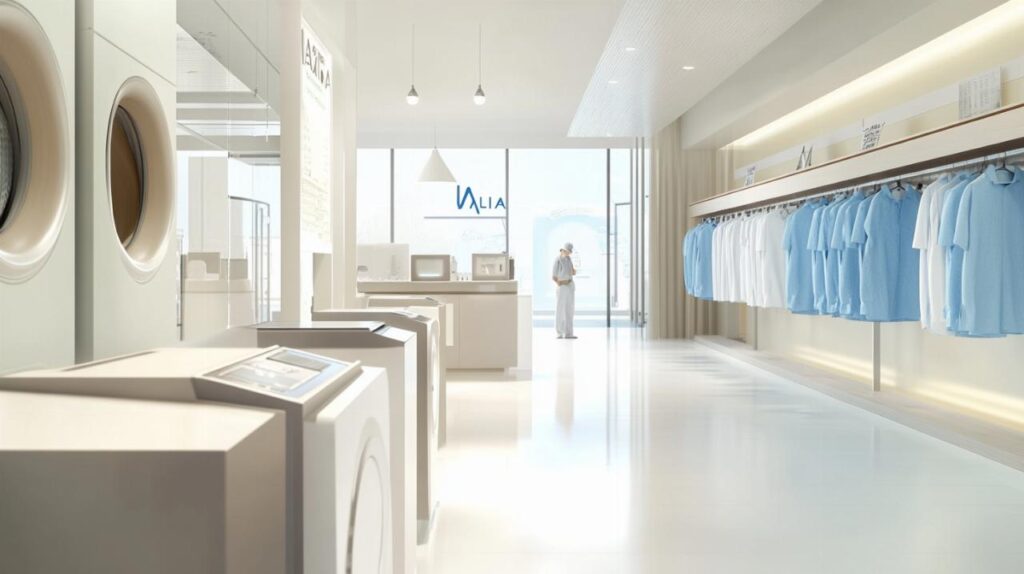
The intersection of heritage and progress has never been more evident than in today's garment care landscape. Dry cleaning, once a straightforward service centred on chemical solvents and meticulous handwork, is now a dynamic field where eco-conscious innovation meets time-honoured craftsmanship. This transformation reflects broader shifts in consumer expectations, environmental awareness, and technological capability, ensuring that the industry remains relevant whilst honouring the meticulous standards that have defined it for generations.
The Evolution of Traditional Dry Cleaning Methods in Contemporary Times
The roots of dry cleaning stretch back further than many might imagine. Ancient civilisations, including the Romans, employed natural substances such as ammonia derived from urine to cleanse wool togas, demonstrating an early understanding of chemical cleaning processes. During the Renaissance, artisans turned to turpentine to tackle oils and stubborn stains on delicate fabrics. Yet it was Jean Baptiste Jolly in 1855 who catalysed the modern era of dry cleaning after observing that kerosene, accidentally spilled on a tablecloth, could remove dirt without damaging the material. This serendipitous discovery led to the establishment of the first dedicated dry cleaning shop, marking a pivotal moment in textile care.
Throughout the twentieth century, the industry gravitated towards perchloroethylene, commonly known as perc, which became the standard solvent due to its effectiveness in dissolving grease and oils. However, growing awareness of perc's environmental and health hazards prompted a search for safer alternatives. Concerns about toxicity, fire risks, and worker protection spurred the adoption of hydrocarbon solvents, liquid silicone, and carbon dioxide-based systems. These newer solutions not only reduce harmful emissions but also preserve the integrity of delicate fabrics such as wool, silk, and cashmere, preventing shrinkage and texture loss. The Drycleaning & Laundry Institute notes that approximately 65% of garments labelled as dry clean only can suffer damage if washed incorrectly, underscoring the importance of specialised care.
How heritage techniques are being preserved whilst embracing change
Even as the industry adopts cutting-edge machinery and digital platforms, many establishments remain committed to the craftsmanship that defined earlier eras. Skilled technicians continue to inspect garments by hand, identifying fabric types and assessing stains before selecting the appropriate treatment. This human touch ensures that each piece receives tailored attention, a practice that automated systems alone cannot replicate. At the same time, modern society trends have encouraged businesses to integrate new methods without discarding the expertise accumulated over decades. The result is a hybrid approach where traditional scrutiny coexists with advanced sorting systems and automated quality checks, delivering both consistency and personalisation.
Customers today value transparency and authenticity, qualities that resonate with heritage techniques. Establishments that communicate their methods openly, explaining how they combine time-tested practices with eco-friendly innovations, tend to build stronger trust and loyalty. This transparency extends to the use of biodegradable detergents, low-temperature cleaning cycles, and reusable garment bags, all of which reflect a commitment to preserving textiles whilst minimising environmental impact. By honouring the meticulous standards of the past and adapting to contemporary expectations, the industry successfully bridges tradition and progress.
The Role of Sustainability in Transforming Classic Dry Cleaning Practices
Sustainability has emerged as a defining priority, reshaping every facet of garment care. The shift away from harsh chemicals like perc towards plant-based cleaners and enzyme-based stain removers marks a significant departure from conventional methods. These alternatives not only reduce toxicity but also enhance the longevity of fabrics by maintaining colour vibrancy and texture integrity. Liquid carbon dioxide and silicone-based solvents have gained traction as they clean effectively without leaving harmful residues, thereby protecting both garments and the environment.
Water conservation is another critical aspect of sustainable transformation. Advanced machinery now achieves up to 70% reduction in water usage compared to older models, addressing concerns about resource depletion. Energy-efficient equipment, which can consume 30% less electricity, further contributes to lowering the carbon footprint of dry cleaning operations. In parallel, waste reduction initiatives such as reusable garment bags, biodegradable hangers, and clothes recycling programmes are becoming standard practice. A study indicates that 72% of UK customers prefer green garment care options, demonstrating widespread demand for environmentally responsible services. Moreover, adopting low-emission technologies can cut carbon footprints by up to 60%, a compelling argument for businesses to invest in sustainable infrastructure.
The integration of microplastic filters represents another leap forward, particularly given the environmental challenges posed by synthetic fabrics. These filters capture microfibres released during cleaning, preventing them from entering waterways and contributing to pollution. As regulatory bodies impose stricter environmental standards, establishments that proactively adopt such measures not only comply with legislation but also differentiate themselves in a competitive market. The emphasis on sustainability thus extends beyond compliance, becoming a core component of brand identity and customer engagement.
Innovative technologies reshaping the dry cleaning industry
Technological advancement has revolutionised garment care, introducing systems that enhance efficiency, precision, and customer convenience. Artificial intelligence now powers quality checks, enabling machines to identify fabric types and recommend tailored cleaning protocols. This capability reduces the risk of damage and ensures that each garment receives optimal treatment. Smart sorting systems streamline operations by categorising items based on material and colour, whilst robotics handle repetitive tasks, freeing skilled staff to focus on complex stain removal and garment inspection. These innovations not only improve service quality but also reduce operational costs by up to 20%, according to industry reports.
Predictive analytics play a vital role in managing demand fluctuations. By tracking customer habits and anticipating busy periods, businesses can optimise staffing levels and resource allocation, minimising wait times and enhancing overall efficiency. Radio-frequency identification tracking offers real-time visibility into each garment's journey through the cleaning process, providing both operational oversight and customer reassurance. This transparency fosters trust and accountability, key elements in building long-term relationships with clients.

Digital solutions and smart systems revolutionising customer experience
The rise of mobile applications and online booking platforms has transformed how customers interact with dry cleaning services. Clients now expect seamless digital experiences, from scheduling pickups to tracking garment status via QR codes. Digital payment systems integrated with loyalty programmes reward sustainable choices, encouraging repeat business whilst promoting eco-friendly practices. These platforms also facilitate instant communication, allowing customers to request specific treatments or provide detailed instructions, further personalising the service.
Fast pickup and delivery services have become a standard expectation, with some establishments deploying electric vehicles to reduce emissions associated with transportation. The on-demand laundry services market is projected to grow by 10.4% annually between 2023 and 2028, reflecting strong consumer demand for convenience and flexibility. Virtual reality and augmented reality technologies are beginning to enhance customer interactions, offering immersive demonstrations of cleaning processes or virtual consultations for fabric care advice. Although still emerging, these tools represent the industry's willingness to experiment with novel approaches to engagement.
Social media and online reviews have also become indispensable marketing channels. Establishments that actively manage their online presence, respond to feedback, and share content highlighting their sustainable practices tend to build stronger brand trust. Search engine optimisation, local advertising, and content marketing strategies enable businesses to reach target audiences effectively, particularly as consumers increasingly rely on digital platforms to discover and evaluate services.
Eco-Friendly Equipment and Green Chemistry in Modern Dry Cleaning
The development of eco-friendly solvents marks a profound shift in the chemistry of garment care. Liquid carbon dioxide, for instance, is non-toxic, non-flammable, and highly effective at dissolving oils and greases. Silicone-based cleaners offer similar benefits, preserving the lifespan of textiles whilst eliminating the hazards associated with traditional solvents. Studies demonstrate that these green alternatives can remove over 90% of oil-based stains, matching or exceeding the performance of conventional methods. In contrast, standard washing achieves only around 60% removal, highlighting the superiority of advanced dry cleaning techniques.
Plant-based and enzyme-based stain removers have replaced solvent-heavy products, offering targeted action against specific types of stains such as protein or tannin marks. These formulations are biodegradable and safer for both operators and customers, aligning with the industry's broader commitment to health and environmental stewardship. The transition away from perchloroethylene has accelerated, with approximately 35% of dry cleaners worldwide having switched from perc solvents by 2023. This trend is expected to continue as regulatory pressures intensify and consumer preferences shift towards greener options.
Energy-efficient machines, which operate at lower temperatures and use biodegradable detergents, represent another cornerstone of eco-friendly equipment. These systems not only reduce utility costs but also extend the life of textiles by subjecting them to gentler treatment. The luxury dry cleaning segment, which focuses on high-value garments and premium services, is anticipated to grow by 7% annually over the next five years, driven in part by demand for superior fabric care that combines effectiveness with sustainability.
Collaborative networks and shared facilities offer smaller establishments access to advanced equipment that might otherwise be financially prohibitive. By pooling resources and sharing infrastructure, independent operators can compete with larger chains whilst adopting the latest technologies. This approach also enhances marketing and supply chain capabilities, enabling smaller businesses to participate in industry-wide initiatives and benefit from collective bargaining power. The global dry cleaning and laundry market, valued at $60.88 billion in 2022, is projected to reach $79.91 billion by 2027, reflecting robust growth and ongoing investment in innovation.
Consumer spending on dry cleaning continues to rise, driven by increasing awareness of garment care's role in extending the life of clothing. The sector's capacity to remove up to 99% of allergens such as dust mites and pollen further underscores its value, particularly for individuals with sensitivities. With over 30,000 dry cleaning businesses operating in the United States alone and employing more than 140,000 workers, the industry remains a significant economic force. As establishments embrace sustainable practices, invest in technology, and refine customer service, they position themselves to thrive in an era where heritage and innovation converge seamlessly.