
Few gemstones carry the quiet, almost otherworldly beauty of white moonstone. With its milky translucence and the soft glow that seems to drift beneath its surface, it has captivated jewellery makers and spiritual seekers alike for centuries. When set into a Shamballa bracelet — that beautifully knotted, adjustable form of jewellery rooted in Tibetan tradition — the stone finds what many consider its most natural home.
In short
- White moonstone is prized for its adularescence, a unique optical effect that creates a floating, moon-like shimmer within the stone.
- The Shamballa bracelet’s macramé cord construction provides a gentle, cushioning environment that protects delicate moonstone beads better than rigid metal settings.
- When selecting moonstone beads, focus on consistent milky translucence, clear adularescence, and uniform drilling to ensure the bracelet sits straight and remains aesthetically pleasing.
- Moonstone can be harmoniously paired with various natural stones like labradorite, rose quartz, or jade to balance energy and create visually dynamic, custom designs.
- Shamballa bracelets are versatile and practical gifts because their adjustable cotton cord design eliminates the sizing issues associated with standard clasps or bangles.
- To maintain the lustre of moonstone jewellery, it should be kept away from water, abrasive surfaces, and harsh chemicals to preserve both the stone’s surface and the integrity of the cotton cord.
What makes white moonstone particularly suited to Shamballa knotwork and spiritual jewellery?
The luminous properties and soft shimmer of natural moonstone beads
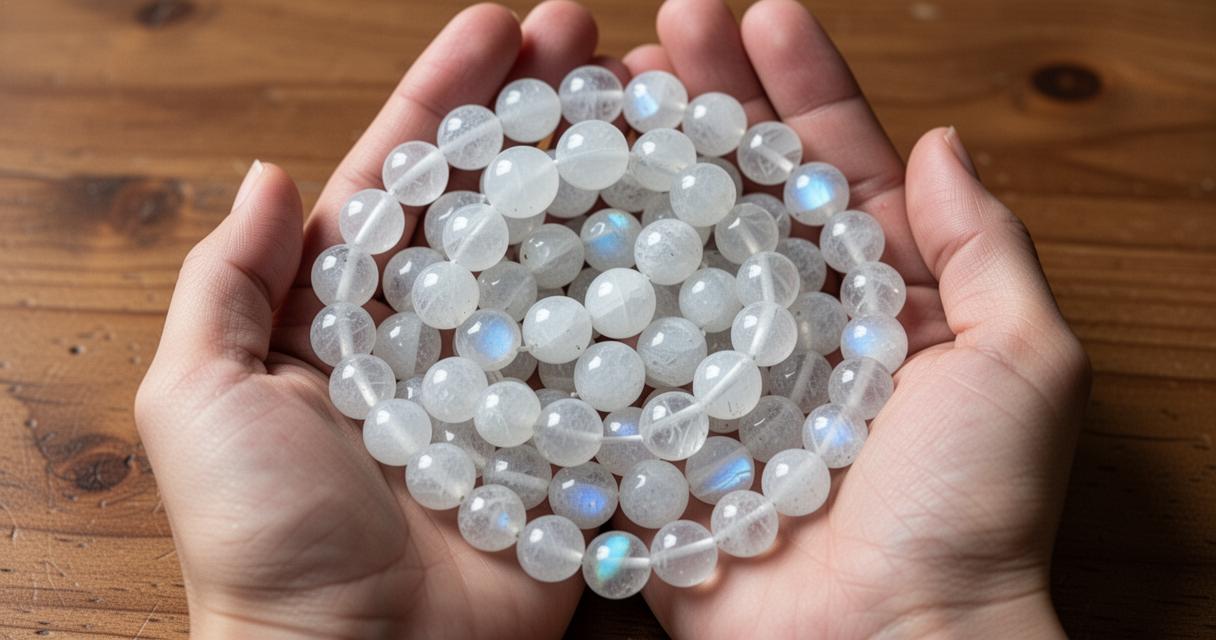
The appeal of white moonstone beads lies in a phenomenon known as adularescence — the way light moves through the stone in a floating, billowing shimmer reminiscent of moonlight on still water. This soft inner glow is not a surface reflection but a depth of light that shifts as the bead moves, making each piece feel alive. Natural moonstone is a feldspar mineral, and its gentle translucence means no two beads are exactly alike. Their round shape, when polished into smooth spheres, allows that luminosity to radiate evenly in all directions, which is precisely what makes them so compelling as the main feature of any bracelet.
In spiritual traditions, the moon has long been associated with intuition, femininity, cycles of renewal and emotional clarity. Moonstone carries those associations within its very structure, and wearing it close to the skin — as one does with a bracelet — is thought to keep that gentle energy in constant, quiet dialogue with the wearer. For those drawn to natural stones and their symbolic resonance, white moonstone occupies a uniquely tender place among the many stones available on the market.
How adjustable cotton cord macramé complements the delicate nature of the stone
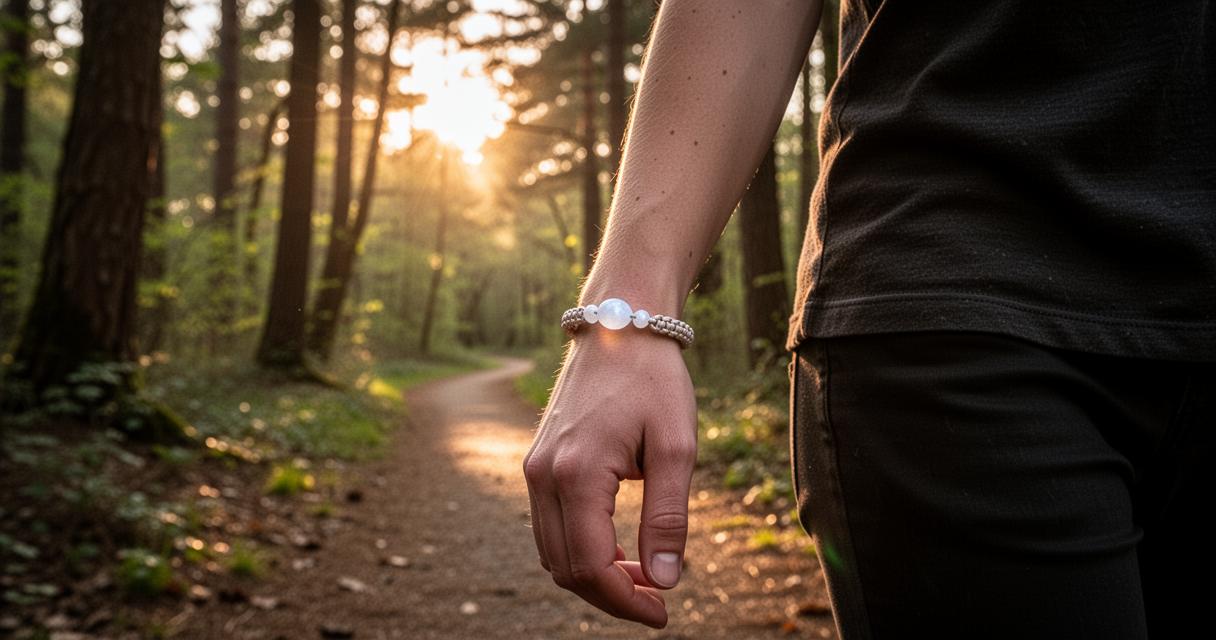
The Shamballa style of bracelet is defined by its cord construction: beads are threaded onto a central line and then bound together using a precise macramé knotting technique, traditionally worked in cotton thread. The result is a piece that is both secure and beautifully adjustable, sliding easily to fit a range of wrist sizes without the need for clasps or fastenings. This design philosophy aligns remarkably well with the delicate character of moonstone, which benefits from the cushioning that soft cord provides between each bead. Hard metal settings can put stress on the stone; cotton cord cradles it gently.
The adjustable nature of Shamballa bracelets also makes them wonderfully practical as gifts, removing the anxiety of sizing that comes with rigid bangles or chain bracelets. The cord itself, often available in neutral or earthy tones, allows the pale luminescence of white moonstone to remain the visual focus, never competing with a flashy metal finish.
How do you select quality beads and pair them with complementary stones in your design?
Evaluating diameter, round shape and eye appeal when choosing natural beads
When choosing beads for a Shamballa bracelet, diameter matters more than many buyers initially realise. A bead that is too large will overwhelm a slender wrist, while one that is too small may lose the visual impact that makes the design worthwhile. The most commonly favoured sizes for wrist jewellery strike a balance that allows the bead’s natural markings and shimmer to be appreciated without the piece feeling heavy or cumbersome. Beyond size, evaluating a bead’s eye appeal — the way its surface catches and holds the light — is the surest guide to quality. In white moonstone, look for a consistent, milky translucence and a blue or silver flash of adularescence across the surface of the sphere.
A truly round bead, uniformly drilled through its centre, will sit straight on the cord and align neatly with its neighbours, giving the finished bracelet a polished, professional appearance. Irregular drilling or flattened profiles disrupt the rhythm of the piece, so it is worth taking time to assess each bead individually when selecting for a design intended to last.
Combining moonstone with tiger’s eye, labradorite, pink quartz, jade or agate for balanced energy
One of the great pleasures of working with natural stone jewellery is the almost infinite possibility for combination. White moonstone pairs beautifully with a range of complementary stones, each bringing its own character to the finished piece. Tiger’s eye, with its warm, honey-brown bands of chatoyancy, offers a grounding contrast to moonstone’s ethereal coolness. Labradorite shares moonstone’s gift for dramatic optical effects, its deep grey surface erupting in flashes of teal and gold, creating a bracelet that seems to hold the entire colour spectrum.
For those drawn to softer palettes, pink quartz — often called rose quartz — sits alongside white moonstone with natural grace, both stones sharing a gentle, feminine energy that many find deeply calming. Jade, with its rich green depth, introduces a sense of grounding and longevity, while agate, available in dozens of natural colour variations, allows for great creative flexibility. Mixing these stones in a single Shamballa bracelet, alternating them rhythmically along the cord, produces a piece that is visually dynamic while remaining harmonious as a whole.
Where can white moonstone Shamballa bracelets fit into a broader collection of spiritual jewellery?
Pairing bracelets with silver earrings or other natural stone pieces for a cohesive look
A white moonstone Shamballa bracelet rarely looks better than when worn as part of a considered collection of pieces. Silver jewellery is a natural companion: its cool, metallic sheen echoes the pale luminescence of the stone without clashing, and silver earrings featuring moonstone or other complementary natural stones tie an entire look together with elegance. The restrained palette of white, grey and silver creates an aesthetic that feels both timeless and contemporary.
Building a collection around a shared language of natural stones — perhaps a consistent use of moonstone across a bracelet, a pair of earrings and a pendant — gives the overall jewelry ensemble a coherence that feels intentional rather than accidental. Mixing metals and materials can absolutely work, but there is something particularly pleasing about the harmony achieved when each piece speaks quietly to the others through shared colour, texture or symbolic association.
Understanding price ranges, care with water exposure and maintaining the soft lustre of your jewellery
The price of white moonstone Shamballa bracelets varies depending on the quality and size of the beads, the complexity of the knotwork and the other stones incorporated into the design. Natural stone pieces command a premium over synthetic alternatives, and rightly so: the variation, depth and genuine mineral character of a real natural bead cannot be replicated artificially. For those considering a purchase or sale, it is worth understanding that higher-quality moonstone — with a strong adularescent flash and clean, translucent body — will naturally be priced accordingly.
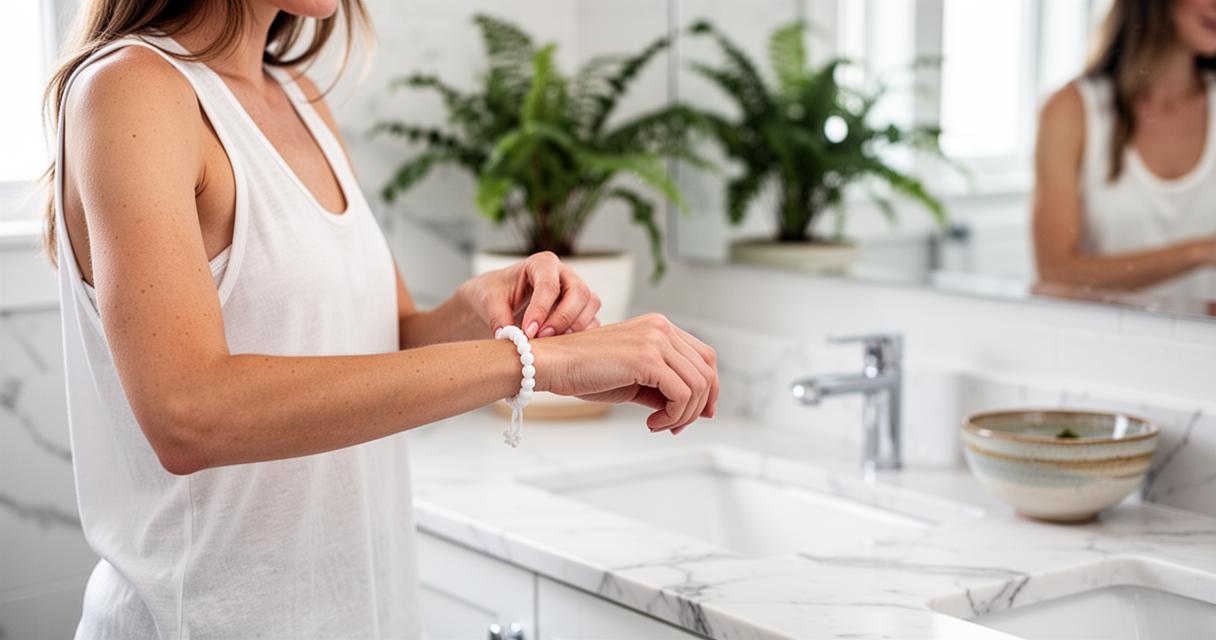
Care is straightforward but important. Moonstone is a relatively soft mineral compared to harder gemstones, and prolonged exposure to water — particularly chlorinated or salty water — can gradually dull its surface and weaken the cotton cord of a Shamballa bracelet over time. It is best to remove the piece before swimming, bathing or washing up, and to store it away from direct sunlight and abrasive surfaces. A gentle wipe with a soft, dry cloth is all that is needed to keep the stone’s luminosity at its best. With modest care, a well-made white moonstone Shamballa bracelet can remain a treasured piece for many years to come.